The Role of Istikhara in Choosing a Life Partner
 by Saufiya
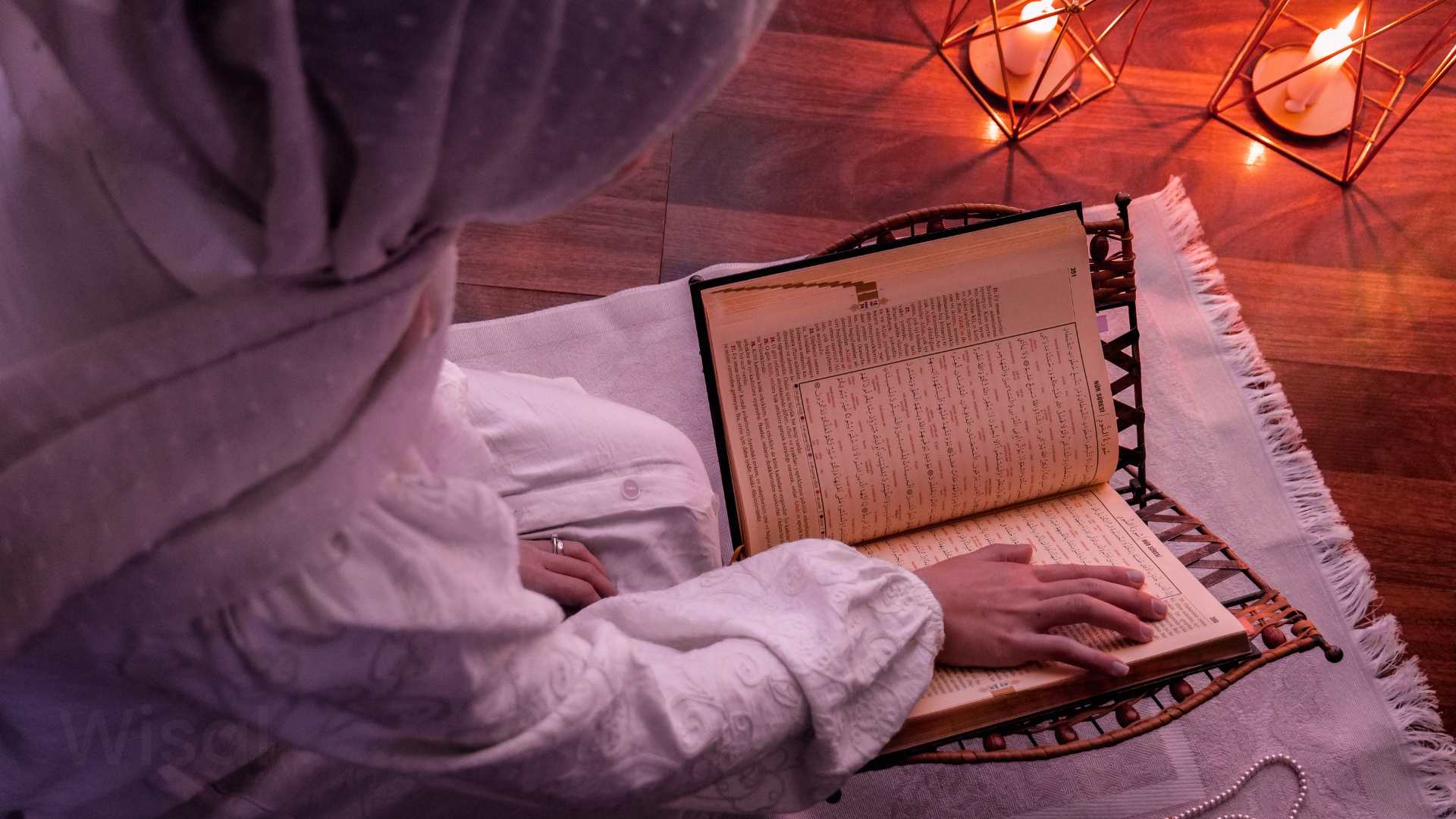
Choosing who to marry is one of the most significant decisions a Muslim will make. While we reflect, seek advice, and do our research, Islam gives us a powerful tool to centre our hearts and intentions, Salat al-Istikhara.
Istikhara is not just a prayer for guidance. It is a way of surrendering to the wisdom of Allah, asking Him to guide our path when the way forward is not yet clear.
What Is Salat al-Istikhara?
The word istikhara comes from the Arabic root khayr, which means good. Istikhara is the act of seeking the best outcome from Allah in any matter where the right path is uncertain.
The Prophet Muhammad ﷺ taught: “If any of you is concerned about a decision, let him pray two units of voluntary prayer, then say the du’a of Istikhara.” (Sahih al-Bukhari, 1162)
It is a prayer done with trust. You ask for what is best, not just what is easiest or most appealing. You are saying, “O Allah, I am trying my best. Please guide me to what is good for my faith, my life, and my future.”
When to Make Istikhara in the Marriage Process
Istikhara should be made when you are seriously considering a person, and all the necessary conversations and background steps have taken place. It is not for every introduction. It is a prayer of discernment when you are at a point of real decision.
Some key times to pray Istikhara may include:
- After you have gathered enough information about a potential partner
- Before agreeing to a formal proposal
- When you feel emotionally conflicted and need spiritual clarity
How to Pray Istikhara
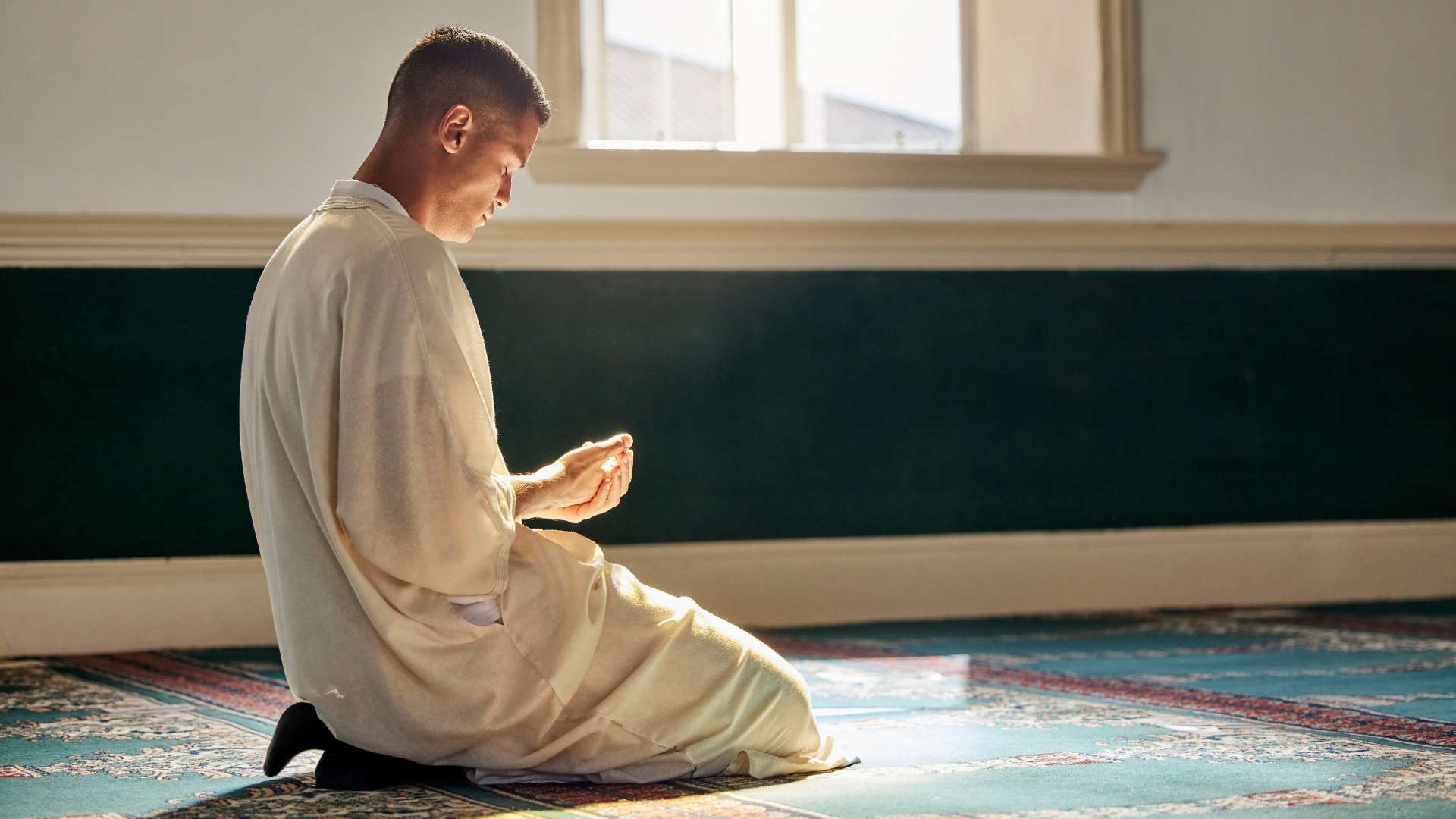
- Perform two rak’ahs of voluntary prayer.
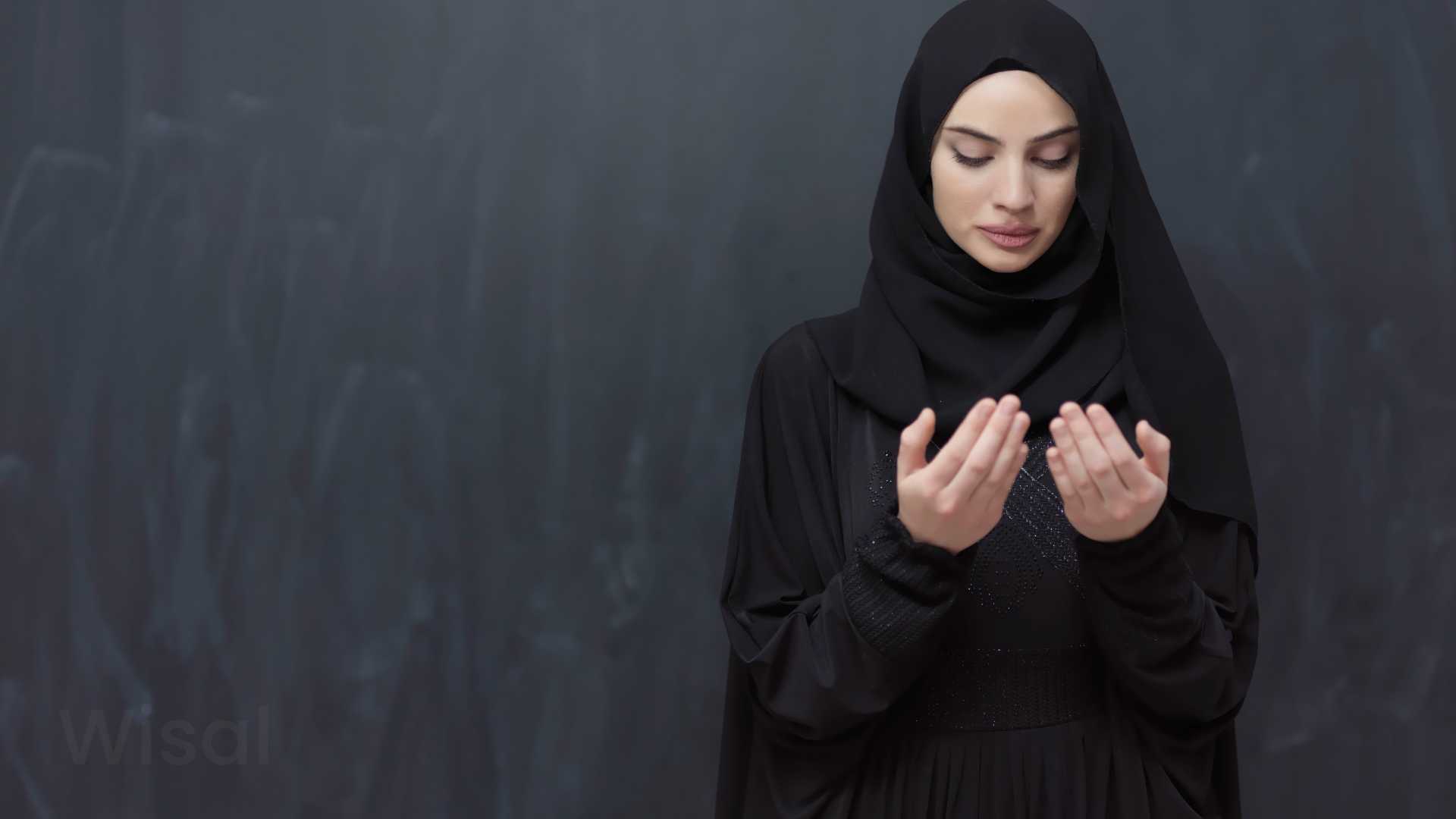
- After completing the prayer, recite the dua of Istikhara, which includes asking Allah for what is best, seeking His ability and knowledge, and requesting ease if it is good, or distance if it is not. The du’a includes this beautiful line: “O Allah, if You know this matter to be good for me in relation to my religion, my life, and end, then decree and facilitate it for me, and bless me with it.”(Sahih al-Bukhari, 1162)
What Happens After Istikhara?
There is no requirement for a dream or a strong feeling. Instead, you trust that Allah will guide your steps. Maybe things move forward with ease. Maybe a barrier arises. The outcome, even if unexpected, is part of the answer.
It is also wise to combine Istikhara with shura, seeking advice from people you trust and respect. Both are part of an intentional, faith-led approach to big decisions.
Istikhara reminds us that we are never alone in our decisions. When you ask Allah for guidance, you are placing your heart in safe hands.
At Ya Hayati, we honour the spiritual depth of this process. We offer you the space to connect, and we encourage you to bring your heart and your prayers into every step of the journey.